ptfe oil seal
Understanding PTFE Oil Seals A Comprehensive Overview PTFE (Polytetrafluoroethylene) oil seals, often known simply as PTFE seals, have gained significant attention in various industrial applications due to their unique properties and capabilities. A critical component in machinery, these seals play a vital role in preventing leakage of fluids and protecting mechanical parts from contaminants. In this article, we will delve into the characteristics, advantages, and applications of PTFE oil seals, along with considerations for their selection and use. What is PTFE? Polytetrafluoroethylene is a high-performance plastic known for its non-stick properties and exceptional resistance to heat, chemicals, and friction. Made famous by its use in non-stick cookware, PTFE is also employed in industries ranging from automotive to aerospace due to its outstanding mechanical performance. This resilience makes PTFE an appealing material choice for oil seals, where durability and reliability are critical. Characteristics of PTFE Oil Seals 1. Chemical Resistance One of the hallmark features of PTFE is its resistance to a wide range of chemicals, including strong acids, bases, and solvents. This characteristic makes PTFE oil seals suitable for applications in harsh environments where other materials may fail. 2. Temperature Tolerance PTFE seals can function effectively over a broad temperature range, typically from -200°C to +260°C. This thermal stability ensures that PTFE oil seals maintain their integrity and functionality in extreme conditions. 3. Low Friction PTFE has one of the lowest coefficients of friction of any solid material. This property reduces wear and tear on mechanical components, extending the lifespan of machinery and enhancing overall efficiency. 4. Non-reactivity The inert nature of PTFE means it does not react with the substances it seals, preventing contamination of the fluids being contained. This non-reactivity is particularly beneficial in industries like pharmaceuticals and food processing. 5. Flexibility and Formability PTFE can be easily molded and shaped, allowing for the creation of seals in various dimensions and configurations tailored to specific applications. Advantages of PTFE Oil Seals PTFE oil seals offer numerous advantages compared to traditional materials such as rubber or felt. These benefits include - Longevity The durability of PTFE seals results in extended service intervals, reducing maintenance costs and downtime. - Versatility PTFE oil seals can be designed to suit various configurations, making them ideal for diverse applications, from pumps and compressors to automotive systems. - Cost-Effectiveness Although the initial cost may be higher than some conventional materials, the long-term savings in maintenance and replacement costs often justify the investment. ptfe oil seal Applications of PTFE Oil Seals Due to their remarkable properties, PTFE oil seals find applications across multiple industries, including - Automotive In engines, gearboxes, and differential assemblies, PTFE oil seals help maintain optimal performance while resisting wear from high-temperature and high-pressure conditions. - Aerospace These seals are used in various aircraft components where reliability and safety are paramount, such as hydraulic systems and fuel systems. - Chemical Processing PTFE seals are extensively used in the chemical industry to prevent leaks in pumps, valves, and fittings, ensuring the safe handling of corrosive substances. - Food and Beverage In processing and packaging applications, PTFE oil seals provide assurance against contamination, adhering to stringent hygiene standards. Selecting PTFE Oil Seals When selecting PTFE oil seals, it is essential to consider factors such as - Temperature and Pressure Requirements Understand the operating conditions to ensure the seal can handle the specific environment. - Chemical Compatibility Evaluate the fluids involved to guarantee that the PTFE seal is suitable for preventing chemical degradation. - Size and Design Specifications Ensure that the seal fits the machined surfaces properly to avoid leakage and maintain performance. Conclusion PTFE oil seals are an invaluable component in modern machinery, offering unmatched protection against leaks and contamination while resisting wear and tear. Their unique characteristics make them suitable for a vast array of applications, ensuring operational efficiency and reliability. As industries continue to advance, the role of PTFE seals will undoubtedly expand, paving the way for more innovative and effective sealing solutions in the future.









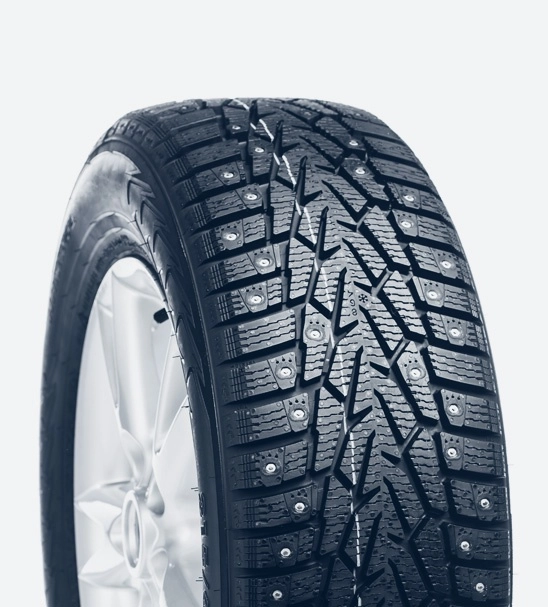
 Brass cutlass marine bearing
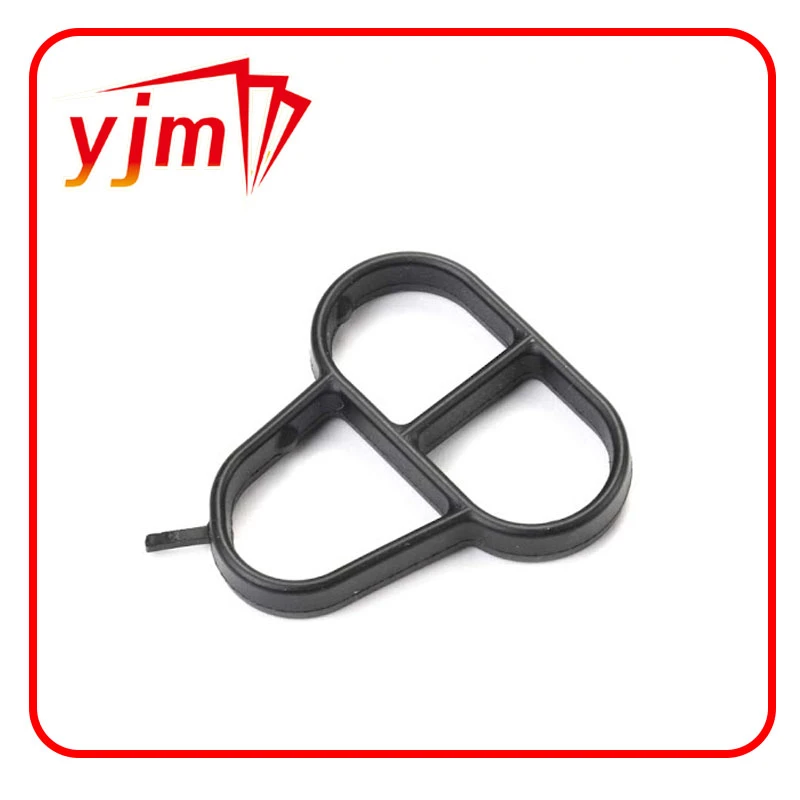 Genuine OEM Engine Oil Filter Housing Cover O-Ring For VW/Audi 06E115446
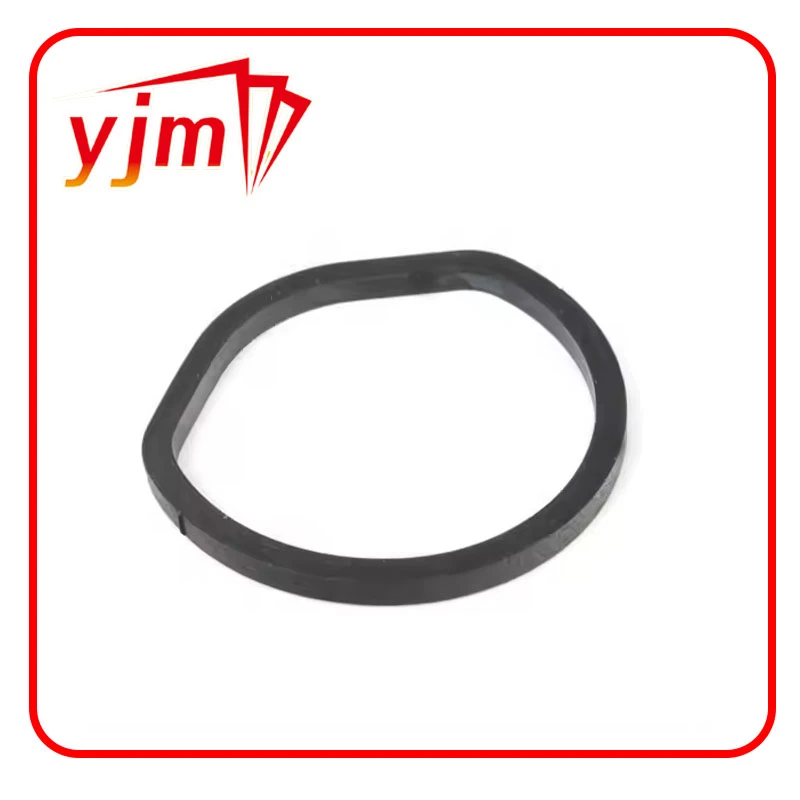 Oil Filter Stand Gasket,Oil filter cover seal
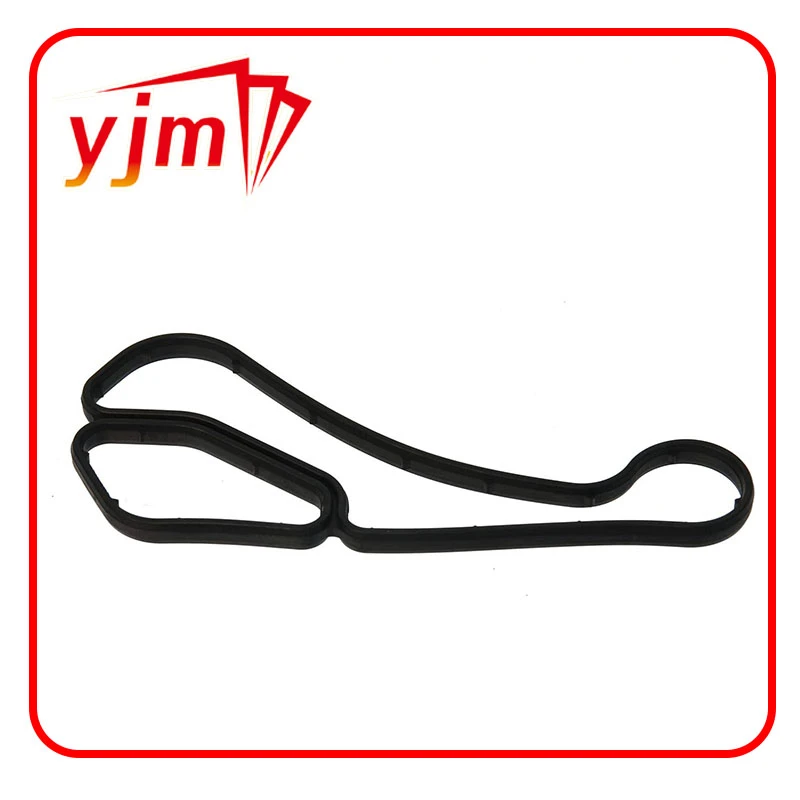 Oil Cooler Gasket, Oil Cooler to Oil Filter Housing 11427525335
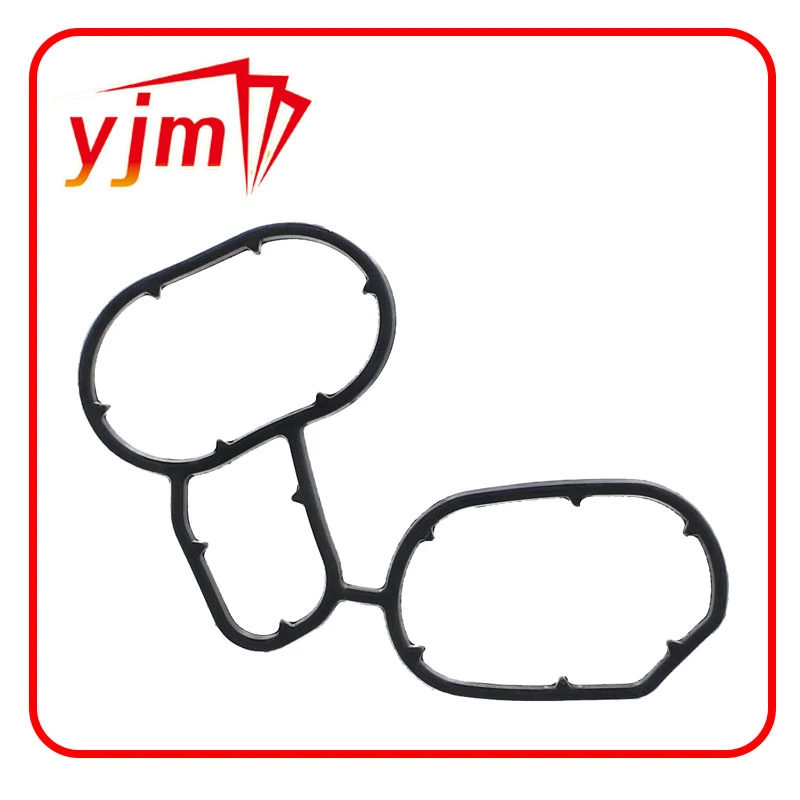 11427508970 BMW - OIL FILTER HOUSING GASKETS
 SEAL, OIL Genuine Toyota (9031170011)
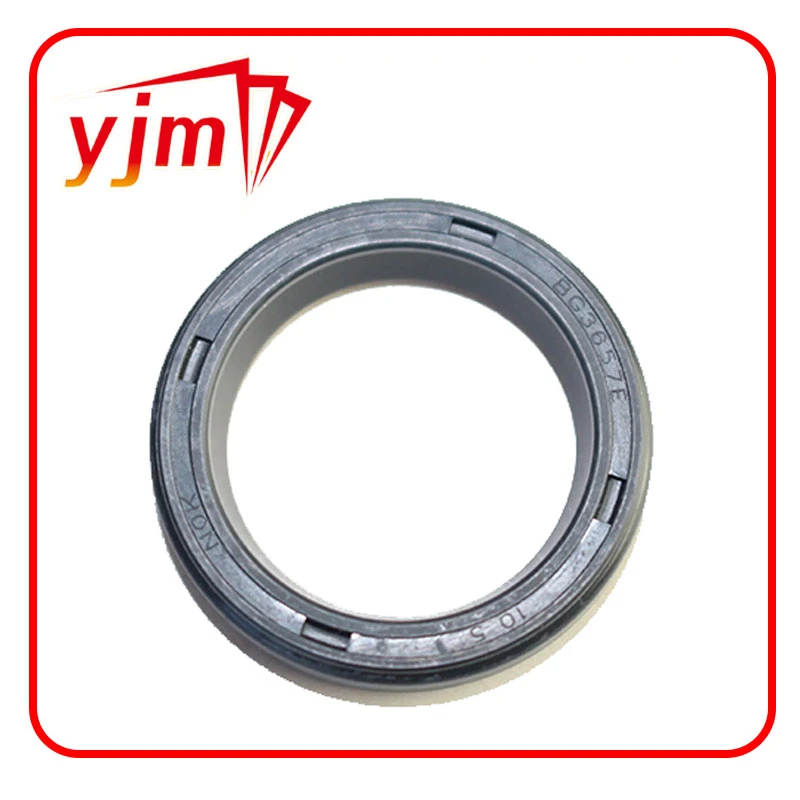 Transfer Case Output Shaft Seal Part 9031223001
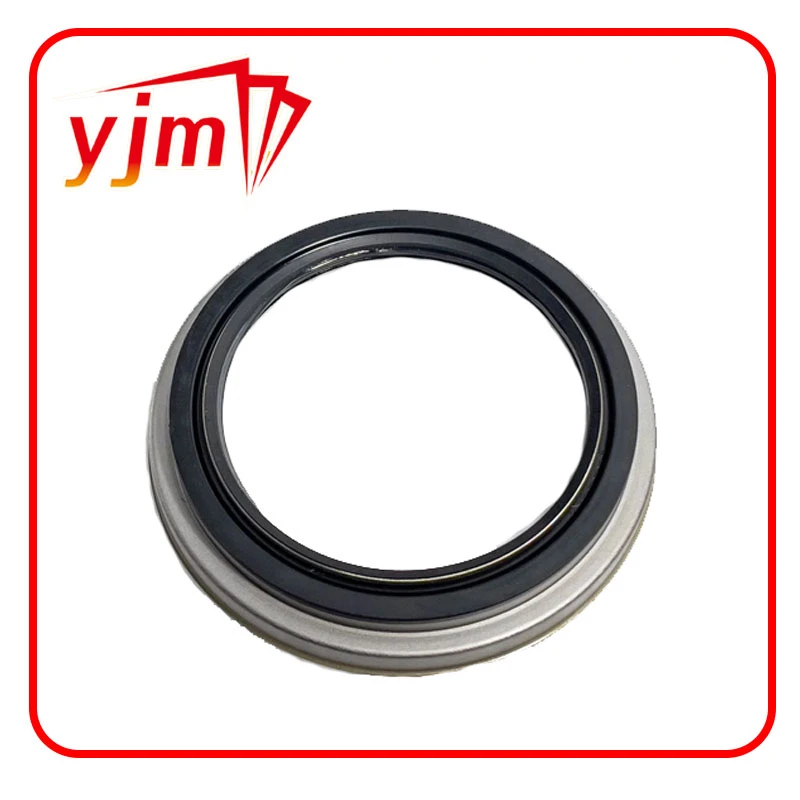 SEAL, OIL Genuine Toyota (9031672001)
 2026-06-10 15:27
 2026-06-10 14:49
 2026-06-10 14:12
 0086-319-3791515Round-the-clock free hotline (24/7)
 Free ShippingWe provide you with fast and free delivery regardless of the product size and value.
 Return & ExchangeYou can return or exchange the item within 14 days.
 English